
A relic of the First World War that helped destroy the anti-war left, the Act remains a threat to news outlets, political organizers, and anyone else who might challenge American militarism and the surveillance state.
By Alex Skopic, Current Affairs
Almost immediately after Donald Trump was indicted for federal crimes under the Espionage Act of 1917, liberals began celebrating. “This feels like justice coming,” crowed editor Michael Tomasky in the New Republic before speculating that “if there is any justice left in this country, he [Trump] will die in a jumpsuit that matches his cratered skin.” (Apparently some people still haven’t tired of ‘orange’ jokes.) At MSNBC, columnist Michael A. Cohen called the indictment “a reason for genuine celebration” and “a great day for democracy.” The New York Times, meanwhile, interviewed 60 prominent Democrats, and found that “the satisfaction is nearly universal” among them, with many “relishing the possibility that Donald J. Trump will get his comeuppance at last.”
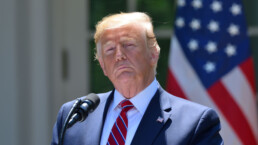
On one level, these reactions are understandable. Trump has been committing odious acts his entire life, both personally and politically, and if the consequences have finally caught up with him, that would be no bad thing—especially if his legal troubles can prevent him from regaining the presidency. Still, I can’t agree with Cohen that this indictment represents “a great day for democracy,” precisely because it’s the Espionage Act that’s being invoked. In the clamor of commentary around Trump’s case, few people seem to have stopped and considered what the Act actually is, and why it was written in the first place. Since its creation in 1917, it has had a long and shameful history, in which it has been used to harass and imprison anti-war activists, whistleblowers, and anyone else who opposes the actions of the U.S. military and intelligence agencies. At its core, it’s a repressive, anti-democratic piece of legislation aimed at gutting the constitutional right to free speech. Even if the Espionage Act seems politically convenient right now, its continued existence is a threat to any semblance of a free society—arguably more so than Trump himself.
Really, calling it the “Espionage Act” is misleading. When most people hear the word “espionage,” they think of something fairly specific—the actions of a spy who, like the infamous Benedict Arnold, intentionally hands over their country’s secrets to a hostile nation. But “espionage” in this sense has been illegal since the drafting of the U.S. Constitution. It falls squarely under the Article III provisions against giving “aid or comfort” to a national enemy, otherwise known as treason. What the Espionage Act of 1917 criminalizes is a much broader range of behavior, including:
Recent Posts

Congress Must Investigate War Profiteers Once Again
Take Action Now Ninety years after the original Nye Committee exposed the arms industry’s corruption, the Pentagon and its contractors are bigger,…
Christa Pike Hospitalized in Critical Condition After Botched Execution
Take Action Now “I’ve never seen anything like what we saw Wednesday night,” said one reporter who witnessed the execution attempt.By Amy Goodman,…

Rights, Faith Groups Urge Congress to Block $2.8B Bomb Sale to Israel
Take Action Now If the Trump administration moves forward with the transfer, dozens of groups are urging lawmakers to seek a joint resolution of…
Trump’s Finger Gets Closer to Nuclear Button
Take Action Now Not that Congress caresBy Ken Klippenstein, Substack The Pentagon is “increasing [nuclear] options available to the President for…