Amid the internal battle over the New York Times’s coverage of Israel’s war, top editors handed down a set of directives.
by Jeremy Scahill and Ryan Grim, The Intercept
The New York Times instructed journalists covering Israel’s war on the Gaza Strip to restrict the use of the terms “genocide” and “ethnic cleansing” and to “avoid” using the phrase “occupied territory” when describing Palestinian land, according to a copy of an internal memo obtained by The Intercept.
The memo also instructs reporters not to use the word Palestine “except in very rare cases” and to steer clear of the term “refugee camps” to describe areas of Gaza historically settled by displaced Palestinians expelled from other parts of Palestine during previous Israeli–Arab wars. The areas are recognized by the United Nations as refugee camps and house hundreds of thousands of registered refugees.
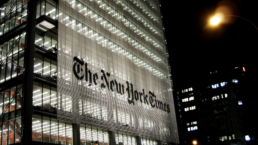
The memo — written by Times standards editor Susan Wessling, international editor Philip Pan, and their deputies — “offers guidance about some terms and other issues we have grappled with since the start of the conflict in October.”
While the document is presented as an outline for maintaining objective journalistic principles in reporting on the Gaza war, several Times staffers told The Intercept that some of its contents show evidence of the paper’s deference to Israeli narratives.
Recent Posts
AI Doesn’t Need ‘Superintelligence’ or Evil Intent to Start a Nuclear War
Take Action Now Neither extraordinary machine intelligence nor malicious intent is required for catastrophe to result.By Paul Slovic and Herbert…

30 Months After Uproar Over Jonathan Glazer’s Oscar Speech, What Do His Pro-Israel Denouncers Say Now?
Take Action Now Given all that has happened, I recently contacted some signers of the open letter to ask whether they still fully believe in its…
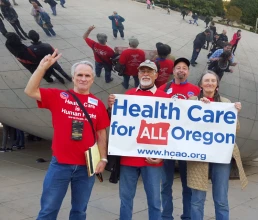
Midterms Have Revived Universal Healthcare Debate. These States Are Ahead of Everyone.
Take Action Now States have often served as laboratories to test health policies later implemented nationally.By Markian Hawryluk, KFF Health……
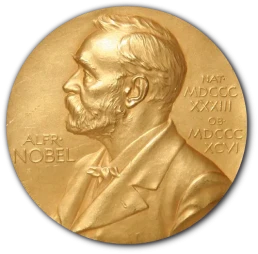
Nobel Peace Prize Turns Toward Peace in 2026
Take Action Now To have finally acknowledged someone whose work in any way addressed the horrors of Zionism is an encouraging sign from the Nobel…