Where does International Women’s Day come from? How are people observing it today? This year’s theme is #BreakTheBias.

What’s the theme for International Women’s Day in 2022?
The theme for this year’s International Women’s Day is: “Gender equality today for a sustainable tomorrow.”
This year’s campaign is represented by the #BreakTheBias hashtag and calls on people to work towards a world that is equitable, inclusive, and free from bias and discrimination so the playing field is levelled for women moving forward.
“We have today the opportunity to put women and girls at the centre of our planning and action and to integrate gender perspectives into global and national laws and policies,” Sima Bahous, executive director of UN Women, said.
Recent Posts

‘Act of Collective Punishment’: Netanyahu Condemned Over ‘Full Lockdown’ of Occupied West Bank
Take Action Now The reaction to a shooting incident in Hebron, said one Palestinian critic, “represents an alarming escalation in Israel’s policies…
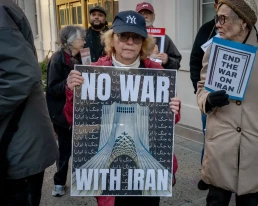
‘Stop The War on Iran’: Brooklyn Peace Activists Urge Jeffries to Help End Conflict
Take Action Now Democrats have a golden opportunity to capitalize on this issue, win big in November, and take real action on AI data centers to…
A Blue Wave Won’t Wash Away Our Oligarchy Problem
Take Action Now The massive election spending by Elon Musk and other billionaires is a huge problem, even if many of the superwealthy’s favorites…

Democrats Should Get Behind a National AI Data Center Moratorium
Take Action Now Democrats have a golden opportunity to capitalize on this issue, win big in November, and take real action on AI data centers to…