
From Iraq through Afghanistan and Syria and on to little-known deployments in a range of countries around the globe, the United States has been at perpetual war for at least the past two decades.
By Joe Donahue, WAMC Public Radio
More than twenty years ago, 9/11 and the war in Afghanistan set into motion a hugely consequential shift in America’s foreign policy: a perpetual state of war that is almost entirely invisible to the American public. The book, “War Made Invisible,” by journalist and political analyst Norman Solomon, exposes how this happened, and what its consequences are, from military and civilian casualties to drained resources at home.
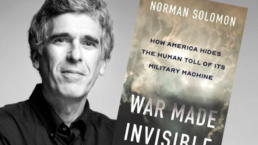
From Iraq through Afghanistan and Syria and on to little-known deployments in a range of countries around the globe, the United States has been at perpetual war for at least the past two decades. Yet many of these forays remain off the radar of average Americans.
Meanwhile, the increased use of high technology, air power, and remote drones has put distance between soldiers and the civilians who die. Back at home, Solomon argues, the cloak of invisibility masks massive Pentagon budgets that receive bipartisan approval even as policy makers struggle to fund the domestic agenda.
Recent Posts

Austin Man Shot by ICE Facing Paralysis After Being Refused Medical Care
Take Action Now “This isn’t law enforcement,” said U.S. Senate candidate James Talarico. “It’s lawlessness.”By Julia Conley, Common Dreams…

Oregon Data Centers by the Numbers: 111 Facilities Consume Nearly One-Quarter of State’s Power, According to New Report
Take Action Now A first-of-its-kind report details the footprint of the controversial facilities.By Kyra Buckley, Oregon Public Broadcasting For…

Trump Says He Is in ‘Deciding Mode’ on Destroying Iran
Take Action Now The Pentagon’s own death count is undercounting US troops killed in the seven-month war, the Washington Post has reported.By…

In the Age of AI, Nuclear Weapons Abolition Is a Renewed Imperative
Take Action Now As long as we have nuclear weapons, the job of ending humanity will continue to be as easy as the push of a button—or an AI agent…