A publicly owned pharmaceutical industry is the best solution to stopping drug shortages.
by Dana Brown and Christopher Morten, Stat
Drug shortages in the United States are at a record high. At least 14 essential generic cancer drugs are currently in shortage, forcing patients and doctors to make difficult decisions to delay or ration first-line treatments, or accept second-best treatments. ADHD treatments, antibiotics, children’s acetaminophen, and many other critical medicines are also in short supply.
But most of the solutions being discussed are just Band-Aids on a broken system. They would do nothing to transform the incentives that routinely produce shortages and other market failures.

What we really need — for the health of our economy and society — is a robust public option in pharmaceuticals that produces and distributes essential medicines, such as cancer treatments. Publicly accountable public agencies can assure resilient supply chains and offer medicines at or even below cost, because keeping people healthy without bankrupting them in the process is good for society (and cost-effective to boot). This already happens at scales large and small all over the world, including Brazil, Sweden, Cuba, the U.K., India, Thailand, and more.
Recent Posts

British Support For Israel Is Shattering
Take Action Now There is not a single member of the Foreign and Commonwealth Office who believes that Israel, under any leadership, would allow a…

I’ve Covered Death Row Cases for Nearly a Decade. What Happened to Christa Pike Wasn’t an Anomaly.
Take Action Now Several states have faced questions about the competence of their execution teams as major medical organizations have opposed…

Angie Nixon Says the Fight for Black Voting Power Demands Elected Officials ‘Get Louder’
Take Action Now As Black Floridians confront shrinking representation and political disillusionment, Nixon says the moment demands persistence.By…
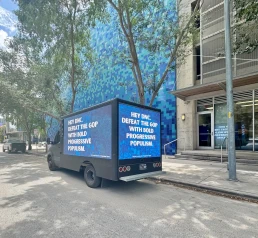
Progressives Saw Wins in DNC, But Battle for the Future of the Party Continues
Take Action Now Resolutions calling to abolish ICE and pushing to block arms sales are laying a progressive groundwork for 2028.By Sam Rosenthal,…