For the first time, ProPublica has cataloged cleanup efforts at the 50-plus sites where uranium was processed to fuel the nation’s nuclear arsenal. Even after regulators say cleanup is complete, polluted water and sickness are often left behind.
by Mark Olalde, Mollie Simon and Alex Mierjeski, ProPublica
In America’s rush to build the nuclear arsenal that won the Cold War, safety was sacrificed for speed.
Uranium mills that helped fuel the weapons also dumped radioactive and toxic waste into rivers like the Cheyenne in South Dakota and the Animas in Colorado. Thousands of sheep turned blue and died after foraging on land tainted by processing sites in North Dakota. And cancer wards across the West swelled with sick uranium workers.
The U.S. government bankrolled the industry, and mining companies rushed to profit, building more than 50 mills and processing sites to refine uranium ore.
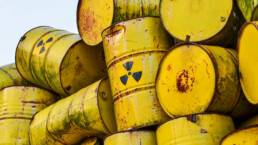
But the government didn’t have a plan for the toxic byproducts of this nuclear assembly line. Some of the more than 250 million tons of toxic and radioactive detritus, known as tailings, scattered into nearby communities, some spilled into streams and some leaked into aquifers.
Recent Posts

“Propaganda Show”: IDF Raids Palestinian NGOs in the West Bank Ahead of Israeli Elections
Take Action Now “The raid onto the city center Ramallah is not a lonely activity. It happens every day that they raid different villages,…

ICE Planning $100 Million ‘Nightmare’ Domestic Spy Program
Take Action Now Under ERO ONE, Immigration and Customs Enforcement plans to hire 142 intelligence contractors with top secret clearances and deploy…
Postpone the AI Public Offerings Until Congress Acts
Take Action Now A company should not disclose a risk of catastrophe to humanity and then sell its shares to the public before any public authority…
Congress Has The Power to Fix the Trump-Saudi Nuclear Deal
Take Action Now Congress has at least 9 months and considerable leverage to make things right.By Alan J. Kuperman, Bulletin of the Atomic…