
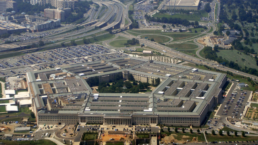
Congress spent the last “military spending” debate rehashing the culture wars — not the nearly $1 trillion Pentagon budget itself.
by Jyotsna Naidu, Otherwords
If there’s one thing that should be subject to rigorous debate and the will of the people, it’s decisions about war and peace. Unfortunately, that’s not what we got with the huge military policy bill recently passed by the House and Senate.
Somehow, the annual National Defense Authorization Act, or NDAA — which can bring war or peace, and which now costs nearly $1 trillion — never sees much serious debate in Congress about those issues.
Before this year, the NDAA passed easily for 61 years straight. The process is intentionally rushed. Hundreds of amendments are filed and voted at once, leaving little room for serious discourse.
This year was a partial exception. Lawmakers did debate the bill, which passed the House only narrowly. But they debated all the wrong things.
Representatives provoked hate with countless culture war amendments. Ignoring issues of war and peace, far-right members of Congress debated cutting funding for service members’ abortions and diversity programs on military bases.
Recent Posts
Getting Into ‘Good Trouble’ Over Arc de Trump
Take Action Now A retired Army colonel flew in from Hawaii to make sure Trump’s arch doesn’t go up quietlyBy Jonathan Capehart, Substack On the…

AIPAC’s Network Has Already Spent $67.2 Million to Shape the Midterm Elections
Take Action Now The giant influx from American Israel Public Affairs Committee PACs is a case study in money distorting politics.By Derek Seidman,…
Ed Sheeran’s Craven “Neutrality” Is a Watershed Moment for Mainstreaming Palestine Solidarity
Take Action Now Ed Sheeran’s entire tour quitting in solidarity with Palestine and Macklemore proves the logic of BDS.By Natasha Lennard, The…

Why Ro Khanna and AOC Should Run for President in 2028
Take Action Now This week, RootsAction teamed up with Progressive Democrats of America to announce that we will jointly launch, just after the…