
Julian Assange is walking free, but the effects from his prosecution will last a long time.
By Ari Paul, FAIR
In some ways, the nightmare for WikiLeaks founder Julian Assange is coming to an end. After taking refuge at the Ecuadorian embassy in London in 2012, he was arrested in 2019 by Britain, who have since been trying to extradite him to the United States on charges that by publishing official secrets he violated the Espionage Act (FAIR.org, 12/13/20; BBC, 6/25/24). Once he enters a guilty plea, he will be sentenced to time served and walk away a free man (CBS, 6/25/24).
Assange’s case has attracted the attention of critics of US foreign policy, and those who value free speech and a free press. His family has rightly contended that his treatment in prison was atrocious (France24, 11/1/19; Independent, 2/20/24). A group of doctors said he was a victim of “torture” tactics (Lancet, 6/25/20). In 2017, Yahoo! News (9/26/21) reported that the “CIA plotted to kidnap the WikiLeaks founder, spurring heated debate among Trump administration officials over the legality and practicality of such an operation” and that CIA and Trump administration insiders “even discussed killing Assange, going so far as to request ‘sketches’ or ‘options’ for how to assassinate him.”
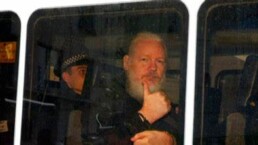
His supporters noted that the charges against him came after he harmed the US imperial project, particularly by leaking a video showing US troops killing Reuters journalists in Iraq (New York Times, 4/5/10). Under his watch, WikiLeaks also leaked a trove of diplomatic cables that the New York Times (11/28/10) described as an “unprecedented look at back-room bargaining by embassies around the world, brutally candid views of foreign leaders, and frank assessments of nuclear and terrorist threats.”
Press freedom and human rights groups like the International Federation of Journalists and Amnesty International had long called for his release. Several major news outlets from the US and Europe—the New York Times, Guardian, Le Monde, Der Spiegel and El País—signed a letter calling for his release (New York Times, 11/28/22). They said his “indictment sets a dangerous precedent and threatens to undermine America’s First Amendment and the freedom of the press.”
Recent Posts
The Courage to Keep the Oath
Take Action Now Why We Must Stand with Major Jason WatsonBy Jeffrey Sterling For almost two months, an Air Force officer has been sitting alone in…

‘Act of Collective Punishment’: Netanyahu Condemned Over ‘Full Lockdown’ of Occupied West Bank
Take Action Now The reaction to a shooting incident in Hebron, said one Palestinian critic, “represents an alarming escalation in Israel’s policies…
‘Stop The War on Iran’: Brooklyn Peace Activists Urge Jeffries to Help End Conflict
Take Action Now Democrats have a golden opportunity to capitalize on this issue, win big in November, and take real action on AI data centers to…
A Blue Wave Won’t Wash Away Our Oligarchy Problem
Take Action Now The massive election spending by Elon Musk and other billionaires is a huge problem, even if many of the superwealthy’s favorites…