
As a growing number of states legalize recreational marijuana it seems odd so many of our elected leaders continue to oppose it. Voters have moved on. The Senate should, too.
By Lyndon Haviland, The Hill
Forty years ago, President Reagan famously referred to marijuana as “probably the most dangerous drug in the United States.” Two weeks ago, the U.S. House voted to legalize it, marking the latest chapter in how elected officials have evolved on the issue in recent decades.
Except in the U.S. Senate, that is, where the wall calendars haven’t flipped since 1981 and the Marijuana Opportunity Reinvestment and Expungement (MORE) Act is expected to stall. The Senate version hasn’t even been introduced and is already facing stiff resistance from the GOP and fellow Democrats alike, further delaying progress to remove cannabis from the federal list of controlled substances.
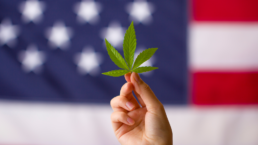
Today recreational marijuana use is legal in 18 states as well as Washington, D.C. and Guam. Thirty-seven states have legalized it in some form. An overwhelming number of adults of all ages across the country support it. A 2021 Pew Research Center study puts the statistic at a staggering 91 percent. That’s noteworthy because, in today’s divided America, 91 percent of adults rarely agree on anything.
The economic arguments favoring marijuana legalization are indisputable. In New Mexico, cannabis sales totaled over $5 million the very first weekend after a recent law approved adult recreational use. State officials believe the law will generate $300 million in revenue in the first year alone, money that will address food insecurity and housing issues, and boost economic development. If legalized nationally, experts believe it would generate over $128 billion in tax revenue and create nearly 1.6 million new jobs.
The advantages of medicinal marijuana today are well understood. Doctors have noted its positive effects in treating chronic pain afflicting millions across the country. And it’s a safer alternative to many opioids that can be destructively addictive. There have even been cases where patients have used medical marijuana to wean themselves off of addictive opioids to keep their pain management under control. Sadly, the U.S. Department of Veterans Affairs continues to deny veterans access to cannabis despite arguments from service organizations of its many benefits, especially in addressing suicide prevention and long-term pain.
Recent Posts

The Courage to Keep the Oath
Take Action Now Why We Must Stand with Major Jason WatsonBy Jeffrey Sterling For almost two months, an Air Force officer has been sitting alone in…

‘Act of Collective Punishment’: Netanyahu Condemned Over ‘Full Lockdown’ of Occupied West Bank
Take Action Now The reaction to a shooting incident in Hebron, said one Palestinian critic, “represents an alarming escalation in Israel’s policies…
‘Stop The War on Iran’: Brooklyn Peace Activists Urge Jeffries to Help End Conflict
Take Action Now Democrats have a golden opportunity to capitalize on this issue, win big in November, and take real action on AI data centers to…

A Blue Wave Won’t Wash Away Our Oligarchy Problem
Take Action Now The massive election spending by Elon Musk and other billionaires is a huge problem, even if many of the superwealthy’s favorites…