
Jeffrey Zients recused himself from dealings with his brother-in-law’s company, which is backed by the U.S. and a key player in green energy projects around the globe.
by Daniel Boguslaw, The Intercept
As the Biden administration pursues its strategy of building resilient supply chains for the surging clean energy industry, one metals company has seen a substantial boost. Last month, TechMet, which is part-owned by the U.S. government, announced that it had closed a $200 million fundraising round. Celebrating more than $180 million invested in projects around the world over the last year, the company noted in a press release that “both the US President and Vice President have cited TechMet’s role as a leading critical minerals company in the global effort to combat climate change.”
At the G20 summit last November, President Joe Biden touted a TechMet project in Brazil to mine nickel and cobalt for electric vehicle batteries. And during her trip across Africa earlier this year, Vice President Kamala Harris announced a U.S.-brokered agreement between TechMet and another company, Lifezone Metals, to mine one of the largest nickel deposits in the world: Tanzania’s Kabanga mine.
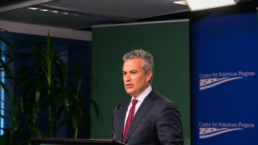
Yet White House chief of staff Jeffrey Zients, whose job involves implementing the administration’s policy, has sidelined himself from the U.S. government’s deepening involvement with TechMet — thanks to what could be perceived as a conflict of interest stemming from his family’s vast wealth.
TechMet’s CEO is Brian Menell, a South African mining baron and the brother of Zients’s wife, Mary Menell Zients. Jeffrey Zients disclosed the relationship when he was brought on as chief of staff, the White House said, and recused himself from all matters related to the company. His recusal, which has not been previously reported, was the appropriate move, as ethics experts agree, but it also means the U.S. is operating without its chief quarterback in its dealings with a major player in the green energy transition.
Recent Posts
Trump Says He’s Banning CNN, MS NOW, and Politico From the White House
Take Action Now “These outrageous attacks only demonstrate how scared he is of an informed public,” said one press freedom advocate.By Stephen…

Bases Without Names: How Governments Rebrand the U.S. Military Presence
Take Action Now Across Asia, Europe and the Middle East, governments use an expanding vocabulary to describe sites that accommodate U.S. troops,…

Getting Into ‘Good Trouble’ Over Arc de Trump
Take Action Now A retired Army colonel flew in from Hawaii to make sure Trump’s arch doesn’t go up quietlyBy Jonathan Capehart, Substack On the…

AIPAC’s Network Has Already Spent $67.2 Million to Shape the Midterm Elections
Take Action Now The giant influx from American Israel Public Affairs Committee PACs is a case study in money distorting politics.By Derek Seidman,…