In interviews with HEATED, mutual aid groups said Los Angeles failed to warn its most vulnerable residents about the record-breaking storm.
by Arielle Samuelson, Heated
For many people across Los Angeles, Hilary wasn’t as bad as it could have been. If you had shelter, you could hunker down and wait out the storm.
But for Charles, who lives in a tent in an encampment near East Hollywood, the record-breaking rain brought major challenges.
The 61-year-old said water came through the bottom of his tent, soaking his belongings and clothes. “I got sick just before the rain started, so I wasn’t able to prepare,” he told me over the phone.
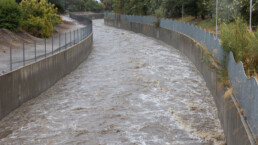
Charles was one of more than 70,000 unhoused people living on the streets of Los Angeles County during the storm. They are the most vulnerable to climate disasters, and Sunday’s storms were no exception.
Recent Posts
Israel Is Accelerating Plans to Annex Neighboring Lands
Take Action Now Israel’s ethnic cleansing of southern Lebanon and Gaza has reached a scale unseen since the Nakba. The history of Israel’s offensives…
The Democratic Party Still Hates the Left
Take Action Now The Democratic Party is terrified of even small liberal reforms and will not abide left leaning democrats thwarting their plans for…
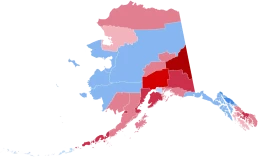
Blanche says Trump isn’t trying to meddle with Alaska election results by suing over Senate race
Take Action Now A day after the lawsuit was filed on Thursday, Peltola called it “just flagrant, flagrant corruption in my opinion” and a diversion…

The Courage to Keep the Oath
Take Action Now Why We Must Stand with Major Jason WatsonBy Jeffrey Sterling For almost two months, an Air Force officer has been sitting alone in…