Criminal justice reform advocates in Los Angeles have amassed some impressive victories—laying out a model for reducing incarceration and providing care.
By Mark Engler and Paul Engler, In These Times
In the late spring and summer of 2020, protests for racial justice erupted in response to the police murder of George Floyd. Mobilizations spread throughout the country and continued for months, producing what scholars identified as arguably the largest wave of mass protest in U.S. history.
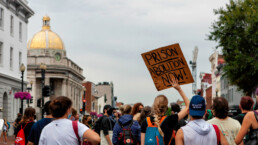
However, as with other surges of popular uprising, the actions died down over time. At that point, critics claimed that protesters made a lot of noise and drew public attention but were unable to translate their discontent into concrete policy gains. When the moment of peak protest passed, these detractors held, the movement disappeared with little to show for its efforts.
This narrative overlooks ongoing organizing efforts that have made important gains both before and after mass protests captured the spotlight. And there are few better places to see such organizing in action than Los Angeles County.
Recent Posts

Trump Says He’s Banning CNN, MS NOW, and Politico From the White House
Take Action Now “These outrageous attacks only demonstrate how scared he is of an informed public,” said one press freedom advocate.By Stephen…
Bases Without Names: How Governments Rebrand the U.S. Military Presence
Take Action Now Across Asia, Europe and the Middle East, governments use an expanding vocabulary to describe sites that accommodate U.S. troops,…
Getting Into ‘Good Trouble’ Over Arc de Trump
Take Action Now A retired Army colonel flew in from Hawaii to make sure Trump’s arch doesn’t go up quietlyBy Jonathan Capehart, Substack On the…

AIPAC’s Network Has Already Spent $67.2 Million to Shape the Midterm Elections
Take Action Now The giant influx from American Israel Public Affairs Committee PACs is a case study in money distorting politics.By Derek Seidman,…