
We should understand China as a part of the system of global neoliberalism. But it also stands out from other countries because it integrated into the global system in an unusual way.
By Tobita Chow and Jake Werner, Socialist Forum
This is a really important framework for understanding the rise of China globally. US commentators often interpret in the most sinister possible terms, rather than understanding what purposes that serves in terms of China’s domestic politics and economic priorities. China has to maintain economic growth, and given what has happened within the Chinese economy in the past decade this requires expanding its power economically on the global stage.
China also has very legitimate concerns about being choked off in various ways by the United States, given that the US is the incumbent hegemonic power. There are potential economic and military threats China feels like it has to protect itself against. Closely related to those things is Chinese nationalism. There is a sense that China is reclaiming its rightful place on the world stage after being in a subordinate position for decades.
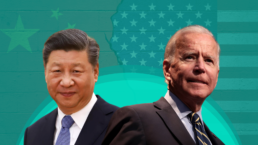
China has been extremely successful within neoliberalism, but has done it in a way that draws the condemnation of the dominant powers, mainly the US but the West in general. This generates resentment on the part of the Communist Party elite and a sense that the people who hold power in the global system are out to get them. They say, “Well, we’ve been successful. We’ve done what we’re supposed to do, which is keep the economy growing and raise incomes, and we did it. Why aren’t you applauding us?” And instead everyone is denouncing them and saying they’re terrible. This resentment drives nationalism, which is a reactionary impulse that motivates a desire to climb within the global hierarchy. China’s not trying to abolish the global hierarchy, it’s trying to gain what the elite imagines to be its rightful place in it. So that’s a very conservative impulse that affirms the standards within the global system.
On the other hand, this resentment also motivates a sense of injustice concerning existing global inequalities that prevent poor countries from developing. And that impulse, which has a lot of progressive possibilities if it were to be taken in the right direction and institutionalized in the right way, is believed just as genuinely as the American foreign policy elite believes in democracy. There’s a parallel here. In substance, the American foreign policy elite’s commitment to democracy is uneven at best, of course. The US constantly betrays and undermines democracy. But nonetheless, they believe in it, and that means that there are progressive possibilities that we can push the country toward. We don’t have to destroy the American state in order to win democratic reforms, we can force it to make good on what it says its ideals are.
The same is true of China. People in the US who are critical of China treat the ideology as just cynical, self-serving window dressing. I think that’s wrong, they really do believe in it. But again, the people who run the state are not fundamentally driven by ideology most of the time, they’re driven by the desire to maintain their power. The ideology is an important part of that, and it offers certain opportunities to people who can make demands that the party follow through on the promises they’re making.
Quotes above are excerpts from a longer interview.
Recent Posts
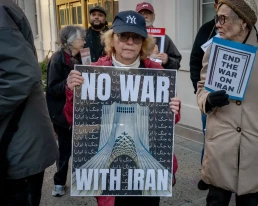
‘Stop The War on Iran’: Brooklyn Peace Activists Urge Jeffries to Help End Conflict
Take Action Now Democrats have a golden opportunity to capitalize on this issue, win big in November, and take real action on AI data centers to…
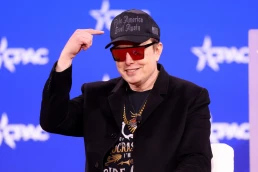
A Blue Wave Won’t Wash Away Our Oligarchy Problem
Take Action Now The massive election spending by Elon Musk and other billionaires is a huge problem, even if many of the superwealthy’s favorites…

Democrats Should Get Behind a National AI Data Center Moratorium
Take Action Now Democrats have a golden opportunity to capitalize on this issue, win big in November, and take real action on AI data centers to…

Another Way Out: Public Execution Is an Everyday Reality—Livestreamed or Not
Take Action Now For some, the Trump administration’s plan to livestream an execution was unacceptable because it wouldn’t happen behind closed doors……