
The Pentagon’s budget follies come at a high price.
by Julia Gledhill and William D. Hartung, Tom Dispatch
The White House released its budget proposal for Fiscal Year 2025 on March 11th, and the news was depressingly familiar: $895 billion for the Pentagon and work on nuclear weapons at the Department of Energy. After adjusting for inflation, that’s only slightly less than last year’s proposal, but far higher than the levels reached during either the Korean or Vietnam wars or at the height of the Cold War. And that figure doesn’t even include related spending on veterans, the Department of Homeland Security, or the additional tens of billions of dollars in “emergency” military spending likely to come later this year. One thing is all too obvious: a trillion-dollar budget for the Pentagon alone is right around the corner, at the expense of urgently needed action to address climate change, epidemics of disease, economic inequality, and other issues that threaten our lives and safety at least as much as, if not more than, traditional military challenges.
Americans would be hard-pressed to find members of Congress carefully scrutinizing such vast sums of national security spending, asking tough questions, or reining in Pentagon excess — despite the fact that this country is no longer fighting any major ground wars. Just a handful of senators and members of the House do that work while many more search for ways to increase the department’s already bloated budget and steer further contracts into their own states and districts.
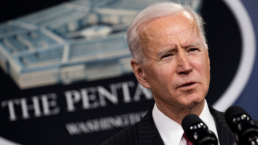
Congress isn’t just shirking its oversight duties: these days, it can’t even seem to pass a budget on time. Our elected representatives settled on a final national budget just last week, leaving Pentagon spending at the already generous 2023 level for nearly half of the 2024 fiscal year. Now, the department will be inundated with a flood of new money that it has to spend in about six months instead of a year. More waste, fraud, and financial abuse are inevitable as the Pentagon prepares to shovel money out the door as quickly as possible. This is no way to craft a budget or defend a country.
And while congressional dysfunction is par for the course, in this instance it offers an opportunity to reevaluate what we’re spending all this money for. The biggest driver of overspending is an unrealistic, self-indulgent, and — yes — militaristic national defense strategy. It’s designed to maintain a capacity to go almost everywhere and do almost anything, from winning wars with rival superpowers to intervening in key regions across the planet to continuing the disastrous Global War on Terror, which was launched in the wake of the 9/11 attacks and never truly ended. As long as such a “cover the globe” strategy persists, the pressure to continue spending ever more on the Pentagon will prove irresistible, no matter how delusional the rationale for doing so may be.
Recent Posts

AI Doesn’t Need ‘Superintelligence’ or Evil Intent to Start a Nuclear War
Take Action Now Neither extraordinary machine intelligence nor malicious intent is required for catastrophe to result.By Paul Slovic and Herbert…

30 Months After Uproar Over Jonathan Glazer’s Oscar Speech, What Do His Pro-Israel Denouncers Say Now?
Take Action Now Given all that has happened, I recently contacted some signers of the open letter to ask whether they still fully believe in its…

Midterms Have Revived Universal Healthcare Debate. These States Are Ahead of Everyone.
Take Action Now States have often served as laboratories to test health policies later implemented nationally.By Markian Hawryluk, KFF Health……

Nobel Peace Prize Turns Toward Peace in 2026
Take Action Now To have finally acknowledged someone whose work in any way addressed the horrors of Zionism is an encouraging sign from the Nobel…