New technology and support from law enforcement and federal agencies allows universities to monitor student activists like never before.
By Sophie Hayssen, Prism
In the aftermath of pro-Palestinian encampments last year, colleges across the country announced new policies that effectively ban many forms of protest. In addition to chilling dissent, the new university rules also allow for campus surveillance and overreach by law enforcement.
As part of the new policies, some universities outright ban encampments, while others place restrictions on the time, place, and shape protests can take. In some cases, schools made it more difficult for students to conceal their identity during protests by banning masks or requiring student groups to register protests. Students say the new policies are alarming, especially when coupled with the surveillance utilized by universities. This includes closed-circuit television (CCTV), facial recognition, and video analytics that can track individuals.
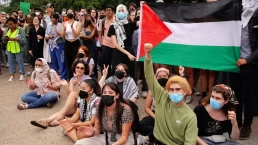
The Electronic Frontier Foundation noted that the proliferation of surveillance technology and an increase in law enforcement on campus may require students to make difficult choices to avoid doxxing and other forms of retribution for merely exposing their faces at a campus protest.
“The more rules you create that make something illegal, the more reasons the government has to survey, get warrants, knock on doors,” said Xavier T. de Janon, the director of mass defense at the National Lawyers Guild.
Recent Posts
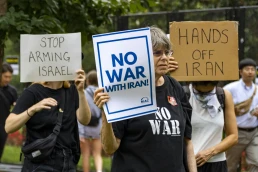
Senate Democrats Demand Trump Administration Reveal Full Costs of Iran War
Take Action Now “Americans deserve to know how much of their money is being burned on Trump’s war,” Sen. Elizabeth Warren said.By Chris Walker,…
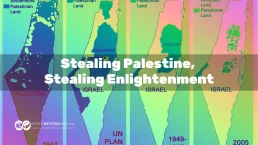
Stealing Palestine, Stealing Enlightenment
Take Action Now The authors trace the origins of Zionism, at least in large part, to Evangelical Christians who, much like back-to-Africa racists in…
Decoding Pro-Israel Buzzwords in a Time of Genocide
Take Action Now Support for Israel has declined steeply among Americans, but its defenders continue to maintain a siege of buzzwords against…
Tax the Rich and Slash the Military Budget
Take Action Now The Left is often asked how it proposes to pay for programs like universal childcare, Medicare or All, and a green jobs program.…