
The U.S. Navy’s Red Hill Bulk Fuel Storage Facility sits just 100 feet above Oahu’s primary drinking water supply.
By Kathleen Wong, Prism
Last week, U.S. Environmental Protection Agency Administrator Michael S. Regan conducted an inspection of the U.S. military’s World War II-era Red Hill Bulk Fuel Storage Facility in Honolulu to determine if it was operating in accordance with the Clean Water Act and the Safe Drinking Water Act. On Monday, March 7, the Department of Defense announced plans to close the facility.
The announcement follows a months-long water contamination crisis caused by leaking military underground fuel tanks that have displaced around thousands of households in Honolulu’s Red Hill neighborhood and poisoned many. Meanwhile, the Navy has tried multiple attempts to keep the tanks running.
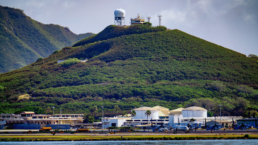
According to an EPA spokesperson, the Navy is currently pumping and treating impacted groundwater with granular activated carbon filters and conducting product skimming from the Navy’s Red Hill Shaft.
In November 2021, about 14,000 gallons of fuel and water were released from the U.S. Navy’s Red Hill Bulk Fuel Storage Facility, which sits just 100 feet above Oahu’s primary drinking water supply, the Southern Oahu Basal Aquifer.
Recent Posts

Vance-Led Task Force Moves to Strip 760,000 People of ACA Coverage
Take Action Now Protect Our Care says about 8 million people have lost coverage since the start of Trump’s second termBy Ruth Milka, Nation of…

The Espionage Act Monster: How Washington Crushes Those Who Expose Its Crimes
Take Action Now As surveillance expands and the ability to communicate anonymously becomes increasingly difficult, the panel asks a fundamental…

Another U.S. Soldier Is Dead as Iran War Casualties Rise
Take Action Now An additional 66 U.S. personnel were wounded in action this month, pushing the official count of Iran war casualties above 850.By…

ICE “Disappears” Thousands Ordered to Be Deported From Detainee Locator
Take Action Now This could make it “nearly impossible” for some people to challenge their deportation orders, an attorney said.By Sharon Zhang,…