The map of global participation in the sanctions against Russia suggests a new non-aligned movement might be on the rise.
By David Adler, The Guardian
On 2 March, as the number of Ukrainian refugees fleeing Russia’s brutal invasion reached 1 million, the United Nations security council called an emergency session of the general assembly. There, 193 nations reviewed a resolution on Russia’s “aggression against Ukraine” and voted overwhelmingly to approve it: 141 votes in favor, 35 abstentions and just five votes against. Even some of Russia’s closest allies on the continent – Serbia, for example, or Hungary – voted to condemn the invasion. “The message of the general assembly is loud and clear,” said the UN secretary-general, António Guterres.
What exactly is that message? In recent days, many commentators have pointed to a global map of the UN resolution to demonstrate the unity of the west and the world in taking on the Putin government. But to make sense of the geopolitical consequences of the Russian invasion, we must look beyond the diplomatic theater of the general assembly to examine how these nations are actually engaged with the war in this phase of rapid escalation. And to do that, we should start with a very different map of the world – a map of global participation in the sanctions set against Russia by the United States and its allies.
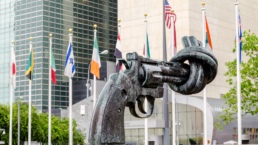
The contrast between these maps could not be more striking. The US, the UK, Canada, South Korea, Switzerland, Japan, Australia, New Zealand, Taiwan, Singapore, the EU: beyond this fortified coalition, very few nations have chosen to take part in the economic warfare set against the Putin government. On the contrary, many of the world’s largest nations – including China, India, Brazil, Bangladesh, Pakistan, Indonesia, and even Nato ally Turkey – have refused to join in. “We will not blindly follow the steps taken by another country,” said Indonesia’s foreign ministry representative at a recent press conference.
Recent Posts

AI Is the New Plastic
Take Action Now We have the proof of harm — yet we refuse to stop.By Unai Montes-Irueste, LA Progressive We know how this story goes because we’ve…
How Palestinians in the West Bank Became so Vulnerable to Israeli Settler Terror
Take Action Now Israel’s “decisive” plan to annex the West Bank is coming to a head as the Israeli government pushes to depopulate Palestinian…
Is the Era of US Military Bases in the Middle East Over?
Take Action Now From CENTCOM commanders to Elliott Abrams, calls are growing to rethink US bases in the Middle East. Ending the war should include…
The State Department’s Cuba Report Revives McCarthyism While Ignoring the Human Cost of Sanctions
Take Action Now The report also arrives amid an unprecedented escalation of U.S. sanctions against Cuba. Since returning to office, the Trump…