
When combined with a supplemental bill passed earlier this year, the NDAA will bring the US military budget to over $1 trillion
By Dave DeCamp, Antiwar.com
The Senate on Wednesday passed the $901 billion 2026 National Defense Authorization Act (NDAA), the sweeping annual military spending bill that will be combined with legislation passed earlier this year to bring the total US military budget to over $1 trillion.
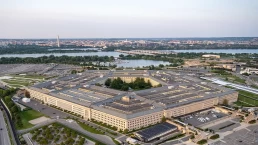
The bill passed in a vote of 77-20, with just two Republicans, Senators Rand Paul (KY) and Mike Lee (UT), and 18 Democrats voting against it. The massive bill now heads to President Trump’s desk for his signature.
Notable amendments include a provision directing the Selective Service System (SSS) to register all potential draftees in the US automatically. According to Edward Hasbrouk, an expert on the Selective Service, it marks the biggest change to the system since 1980.
The NDAA also includes a new provision to ensure Israel is not impacted by global arms restrictions that have been imposed in response to its genocidal war in Gaza. The amendment requires a review of the arms restrictions and says the US will take steps to “mitigate” any “gaps” it may find.
Recent Posts

Two Thirds of People Arrested by ICE in Minnesota Surge Had No Criminal Records, New Data Reveals
Take Action Now The White House had said all the thousands of people arrested were “dangerous criminal” immigrants.By Meghnad Bose and Luke…

BREAKING: Israel Approves Extreme Death Penalty Law Targeting Only Palestinians
Take Action Now Monday’s vote in the Knesset to impose a one-sided death penalty bill on Palestinians will further cement Israel’s system of…

‘Erasing The Lines’: How Settler Outposts Are Seizing New Regions of the West Bank
Take Action Now After decades consolidating their control over Area C, Israeli settlers are expanding into Areas B and A — nominally under…
Cory Booker Says Democrats Have ‘Failed This Moment’ And Calls For New Leaders
Take Action Now Senator’s comments come amid growing divisions within the party, which he says has ‘too small of a coalition’By José Olivares, The…