
After battling for a fair contract, USPS workers face the threat of privatization, which they warn will harm all Americans.
By Mel Buer, In These Times
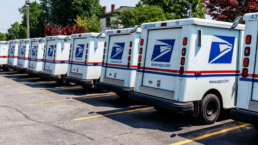
This week, we’re taking a more national focus, and checking in with the National Association of Letter Carriers, who have been embroiled in a years-long contract negotiation with the U.S. Postal Service.
In our episode today, I’m sitting down with Melissa Rakestraw, member of the National Association of Letter Carriers, Branch 825 in Chicago, IL, to discuss the state of negotiations with our nation’s letter carriers, the unprecedented rejection of the recent tentative agreement and what happens next, and what would happen if the U.S. Postal Service was privatized.
As a short editorial note before we begin, the interest arbitration process between USPS and the Letter Carriers began on March 17th, with Dennis R. Nolan set as the neutral arbitrator. This episode was recorded at the end of February, before those dates had been set.
Mel Buer: I’d like to kick off this conversation first by giving our listeners a chance to get to know a bit more about you, your work, your organizing, and your union.
Melissa Rakestraw: The NALC is a National Association of Letter Carriers. We didn’t have collective bargaining rights with the Post Office until after the Great Postal Strike of 1970, the largest wildcat strike in U.S. history. We represent all letter carriers throughout the state of Illinois in our region within the NALC, there’s 15 regions.
Mel Buer: And these are the folks who are outside of the mail handling post office who are delivering your mail, on route to your house every day.
Melissa Rakestraw: We’re coming to your doorstep hopefully every day to deliver your mail Monday through Saturday, and we are one of the most beloved groups of workers out there. Most people love their mailman.
Letter carriers are out there every day watching kids grow up, checking on elderly residents who greet them at their mailbox every day. I’ve worked with people who have saved people from burning homes, who have donated kidneys to their customers on their route. We are embedded in our communities. We aren’t just out there to do a job. We are out there to look out for the people who live on our routes.
Recent Posts
Two Thirds of People Arrested by ICE in Minnesota Surge Had No Criminal Records, New Data Reveals
Take Action Now The White House had said all the thousands of people arrested were “dangerous criminal” immigrants.By Meghnad Bose and Luke…

BREAKING: Israel Approves Extreme Death Penalty Law Targeting Only Palestinians
Take Action Now Monday’s vote in the Knesset to impose a one-sided death penalty bill on Palestinians will further cement Israel’s system of…

‘Erasing The Lines’: How Settler Outposts Are Seizing New Regions of the West Bank
Take Action Now After decades consolidating their control over Area C, Israeli settlers are expanding into Areas B and A — nominally under…
Cory Booker Says Democrats Have ‘Failed This Moment’ And Calls For New Leaders
Take Action Now Senator’s comments come amid growing divisions within the party, which he says has ‘too small of a coalition’By José Olivares, The…