
“Prosecutors used the exact language of the trafficking law in the kidnapping charge,” an abortion activist said.
by Zane McNeill, Truthout
Reproductive justice advocates allege that police in Idaho have made the first “abortion trafficking” arrest after an Idaho teenager and his mother were charged with “kidnapping” for bringing the teen’s girlfriend out of state for an abortion.
The 15-year-old who had an out-of-state abortion, identified in court records as K.B., was living in Idaho with her boyfriend and his mother when she became pregnant. In May, the same month Idaho’s “abortion trafficking” law went into effect, her boyfriend and his mother brought her to Oregon to obtain abortion medication.

K.B.’s mother reported to the police that K.B. was taken out of state to obtain an abortion without her consent, sparking a police investigation. Police charged K.B.’s boyfriend and his mother with multiple charges, including felony kidnapping. While the two were not specifically charged under the abortion trafficking law, reproductive justice activist and writer Jessica Valenti noted that “prosecutors used the exact language of the trafficking law in the kidnapping charge.”
Recent Posts

‘Act of Collective Punishment’: Netanyahu Condemned Over ‘Full Lockdown’ of Occupied West Bank
Take Action Now The reaction to a shooting incident in Hebron, said one Palestinian critic, “represents an alarming escalation in Israel’s policies…
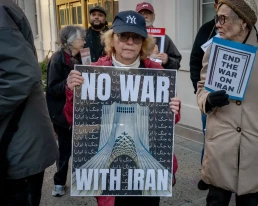
‘Stop The War on Iran’: Brooklyn Peace Activists Urge Jeffries to Help End Conflict
Take Action Now Democrats have a golden opportunity to capitalize on this issue, win big in November, and take real action on AI data centers to…

A Blue Wave Won’t Wash Away Our Oligarchy Problem
Take Action Now The massive election spending by Elon Musk and other billionaires is a huge problem, even if many of the superwealthy’s favorites…
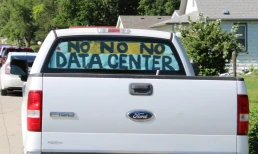
Democrats Should Get Behind a National AI Data Center Moratorium
Take Action Now Democrats have a golden opportunity to capitalize on this issue, win big in November, and take real action on AI data centers to…