
Presidents Trump and Putin must take advantage of this unique diplomatic opportunity.
By American Committee for U.S.-Russia Accord and RootsAction
This week’s summit between Presidents Trump and Putin in Alaska is an opportunity for Russia and the West to negotiate a peaceful settlement in Ukraine. There will be no perfect solution—for any settlement to resemble a just peace, each side will necessarily have to come away dissatisfied. We believe the more urgent goal of stopping the bloodshed must be prioritized over maximalist, inflexible views of what constitutes core Russian and American interests.
The Trump administration seems committed to a provocative but ultimately self-defeating diplomacy. While the president claims he wants peace, his administration seems intent on provoking another crisis. Only last week, the administration placed secondary sanctions disguised as a 25% tariff on exports on India with the aim of pushing New Delhi to stop importing Russian oil. Leaving aside the proven ineffectiveness of sanctions as a tool for changing another country’s behavior, does the president really believe continuing a diplomacy of sanctions and saber-rattling will lead to a better status quo?
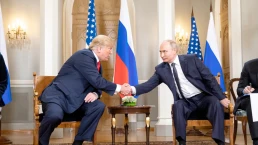
Despite the distance that now separates Washington and Moscow on nearly all issues of global security, the two sides have an invaluable opportunity to address some of the issues that must be dealt with collaboratively, above all nuclear proliferation and arms control.
The nuclear nonproliferation and arms control regime painstakingly constructed during the 20th century has been systematically and purposefully undermined, increasing the danger that nuclear weapons will be used again. George W. Bush’s decision to exit the Anti-Ballistic Missile Treaty in 2002 undermined the United States and Russia’s working diplomatic relationship and opened the door wider to return to arms racing. This mistake was compounded by the first Trump administration’s abandonment of the Intermediate-Range Nuclear Forces (INF) Treaty and the Open Skies Treaty. Russia’s invasions of Ukraine, withdrawal from the Conventional Armed Forces in Europe Treaty in 2023, and ongoing threats of nuclear use in Ukraine have helped degrade the nuclear status quo and increase the likelihood that these terrible weapons will be used again.
Yet there is still so much to lose and no time to waste. The 2010 New START Treaty, which caps the number of strategic nuclear warheads both sides can deploy, expires in February 2026. We urge President Trump to make renewal of this treaty among his very top priorities in Alaska.
The war in Ukraine is a regional security and humanitarian tragedy. But we remind the President that with regard to nuclear weapons, Washington and Moscow stand to benefit from working together. Agreeing to extend New START is a mutually beneficial step that could turn the world away from more destructive conflict between Russia and the West, and help rescue a relationship that both sides desperately need.
Recent Posts
Apologies to All The People in Lebanon
Take Action Now It bears thinking that the world needs to apologize to Lebanon and to Palestine as the genocide by Israel grinds on from Gaza City to…

Top Democrats Make Momentum Behind Trump Impeachment Screech to a Halt
Take Action Now Rather than calling for impeachment, Schumer criticized Trump for what he said was worsening Iran’s “nuclear ambition.”By Sharon…

A Citizen’s Impeachment Movement Underway Can Restore Our Republic and Its Constitution
Take Action Now Chronically lying Tyrant Trump is an open, clear, and present danger to our Republic. He is driven by a fact-deprived, perilous,…

We Need a Theory of Change That Recognizes the Democratic Establishment Has Been Doing It Wrong
Take Action Now Effective change begins with believing in what seems impossible now: that workers should have significant power in our government and…