For the first time, ProPublica has cataloged cleanup efforts at the 50-plus sites where uranium was processed to fuel the nation’s nuclear arsenal. Even after regulators say cleanup is complete, polluted water and sickness are often left behind.
by Mark Olalde, Mollie Simon and Alex Mierjeski, ProPublica
In America’s rush to build the nuclear arsenal that won the Cold War, safety was sacrificed for speed.
Uranium mills that helped fuel the weapons also dumped radioactive and toxic waste into rivers like the Cheyenne in South Dakota and the Animas in Colorado. Thousands of sheep turned blue and died after foraging on land tainted by processing sites in North Dakota. And cancer wards across the West swelled with sick uranium workers.
The U.S. government bankrolled the industry, and mining companies rushed to profit, building more than 50 mills and processing sites to refine uranium ore.
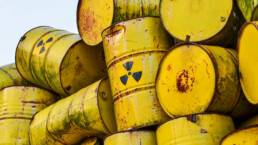
But the government didn’t have a plan for the toxic byproducts of this nuclear assembly line. Some of the more than 250 million tons of toxic and radioactive detritus, known as tailings, scattered into nearby communities, some spilled into streams and some leaked into aquifers.
Recent Posts

Senate Democrats Demand Trump Administration Reveal Full Costs of Iran War
Take Action Now “Americans deserve to know how much of their money is being burned on Trump’s war,” Sen. Elizabeth Warren said.By Chris Walker,…

Stealing Palestine, Stealing Enlightenment
Take Action Now The authors trace the origins of Zionism, at least in large part, to Evangelical Christians who, much like back-to-Africa racists in…

Decoding Pro-Israel Buzzwords in a Time of Genocide
Take Action Now Support for Israel has declined steeply among Americans, but its defenders continue to maintain a siege of buzzwords against…

Tax the Rich and Slash the Military Budget
Take Action Now The Left is often asked how it proposes to pay for programs like universal childcare, Medicare or All, and a green jobs program.…