
Arms control experts have repeatedly emphasized how crucial New START is as well as how important it is that Russia and the United States execute an effective follow-on agreement prior to the current treaty’s 2026 expiration date.
by Ariana Smith, InDepthNews
The recent US allegation of Russian noncompliance with the New Strategic Arms Reduction Treaty (New START) cannot be adequately understood outside of the context of Russia’s ongoing war of aggression against Ukraine.
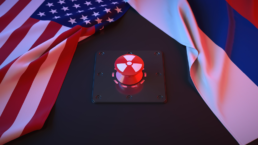
The Russian invasion, initiated nearly one year ago, was marked early on by insistent and illegal threats of nuclear use, intended to dissuade Western nuclear and nuclear-allied states from “interference” in Ukraine.
The war began two years into a global pandemic, which had put a pause on certain implementation provisions of New START—the last remaining binding, bilateral agreement between to the two largest nuclear-possessing states.
New START commitments require that the US and Russia have access to 18 on-site inspections annually to ensure compliance with the treaty. Early in the Covid-19 pandemic, both parties suspended these inspections with the intent to resume upon improved global health conditions.
Despite many health and travel restrictions’ disappearing over the last year, and the US’s stated readiness in August 2022 to resume, inspections have not returned. Then, Russia first delayed and later cancelled a November meeting of the Bilateral Consultative Commission (BCC)—a compliance and implementation treaty body that usually meets twice a year—referring to the West’s “toxic” attitude toward Russia, presumably invoking its displeasure at the broad support Ukraine has received from the US in the wake of Russia’s war efforts.
Russian Ambassador Anatoli Antonov’s reply to the US allegation included its own accusations of noncompliance by the US and blamed the stagnancy on a “hybrid war” he says the West is waging on Russia. The pause on New START inspections and meetings may have been triggered by the global health emergency, but it continues as a result of the war in Ukraine and rising tensions between Russia and the US.
Arms control experts have repeatedly emphasized how crucial New START is as well as how important it is that Russia and the United States execute an effective follow-on agreement prior to the current treaty’s 2026 expiration date.
The US and Russia not only need to take seriously their existing commitments, but they furthermore must seriously engage China, which is drastically growing its nuclear arsenal, in future negotiations. The recent confrontation over China’s suspected surveillance balloon, too, highlights the need for bilateral and multilateral diplomacy with both Russia and China.
While the 78-year nuclear taboo continues to hold today, without earnest negotiations among all nuclear weapon states—led by the largest arms possessors—it is in peril. The only route to securing the taboo forever is abolition, and the time for nuclear arms control, paving the way for disarmament, is now.
Globally, support for nuclear abolition has been fast-growing despite—and, indeed, because—the refusal of nuclear-wielding states to prioritize human security over ill-conceived and dangerous notions of state security. The war in Ukraine highlights the fundamental flaws of “deterrence,” as we see the state with the largest nuclear arsenal relying on deterrence as a form of nuclear blackmail to prevent outside intervention in its deadly and illegal war against a sovereign state.
Now, Russian refusal to engage in good faith with its obligations under New START appears to be a further blackmail attempt—holding hostage performance of binding treaty provisions, presumably until Russia receives its demands of revoking US support for Ukraine and removing the possibility of NATO membership.
Ending the war in Ukraine is key, and any way to bring hostilities to a conclusion other than through diplomacy creates immense risks—not only to combatants but to humanity as a whole. Even a “limited” nuclear use threatens people and planet and must be prevented.
Nuclear weapon states promised over 50 years ago to “to pursue negotiations in good faith on effective measures relating to cessation of the nuclear arms race at an early date and to nuclear disarmament.” The International Court of Justice authoritatively interpreted this obligation to require states “to bring to a conclusion, negotiations leading to nuclear disarmament.”
While the major nuclear powers falter in honoring their commitments, 68 countries have ratified the Treaty on the Prohibition of Nuclear Weapons (TPNW). The TPNW is a strong rebuke of the nuclear status quo and offers a new path for abolition. While nuclear weapons states remain cold toward the TPNW, their obligation to disarm stands, and the need to secure existing nuclear arsenals through verifiable arms control has only grown more urgent.
Escalating tensions between the US and Russia are increasingly challenging prospects for nuclear disarmament, and New START noncompliance is a major stressor. The success of New START and its hoped-for successor is essential to global security and in the best strategic interests of both Russia and the US.
To de-escalate the current climate, and to prepare a path for abolition, Russia and the US must promptly convene the BCC, recommence treaty-mandated inspections of nuclear facilities, and initiate new strategic stability dialogues.
Recent Posts

Mark Carney’s Yerevan Moment: What Canada’s Presence at the EPC Summit Should Mean
Take Action Now If we’re serious about independence from American economic pressure, why are we still dependent on American technology…

Trump Escalates Military Threats in Hormuz as Iran Prepares for New Round of U.S.-Israeli Bombings and Assassinations
Take Action Now Iran believes Trump is likely to resume the war in failed quest to declare victory, a senior Iranian official told Drop SiteBy…

Five Ways The War on Terror Empowered The ICE Assault
Take Action Now We got an advance look at a new analysis from the Costs of War Project about the heritage of the 9/11 era on current ICE operations……

I Detest Billionaires – My Journey to Supporting One for Governor of California
Take Action Now Steyer’s unequivocal support of CalCare universal health coverage is one of the reasons he’s endorsed by Ro Khanna and the California…