
Several states have faced questions about the competence of their execution teams as major medical organizations have opposed participating in the procedures.
By Keri Blakinger, ProPublica
Over the course of two hours, witnesses watched and listened as Christa Pike cried, whimpered and snored through Tennessee’s attempt to execute her. By the end of it, executioners had given her two doses of the state’s lethal injection drugs. Her arms were swollen and blistered, and one had turned purple, her attorneys said. And she was still alive, marking what legal experts say is the first time a prisoner in the U.S. has survived one dose — let alone two — of lethal injection drugs.
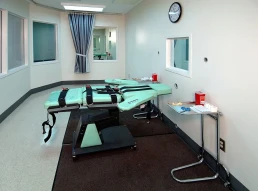
Even if the outcome was unprecedented, what went wrong was not. Pike’s was the third Tennessee execution in 14 months to go awry. But as a reporter who has covered death row for nearly a decade and witnessed several executions, I know the state is not alone. The factors behind the breakdowns in Tennessee have popped up again and again across the country — and show how easily another botched execution could occur, even as soon as the ones planned Wednesday in Texas and next week in Florida.
Here’s what we know about Tennessee’s attempt to execute Pike: The procedure started more than nine hours late, delayed by last-minute legal fights. Then, inside the death house, executioners struggled to find a vein, jabbing Pike with at least seven needles, according to her lawyers, one of whom watched in dismay. As the caustic barbiturate finally started flowing into the IV lines, Pike did not fall into sedation quickly. Instead, witnesses said, she sang with her spiritual adviser. Then she said her arm felt like it was about to burst open. “Does this happen like that?” she asked.
Like Pike, many aging death row prisoners have medical problems that can complicate efforts to kill them, potentially turning what are supposed to be relatively quick deaths into agonizing, drawn-out procedures. Even when prisoners are healthy, several states have faced questions about the competence of their execution teams, as both the American Medical Association and American Nurses Association have strongly opposed their members taking part in death penalty procedures. And death penalty states across the country shroud their executions in such secrecy that it is often difficult or impossible to confirm the age, source or sterility of the drugs.
Recent Posts

Israel Is Accelerating Plans to Annex Neighboring Lands
Take Action Now Israel’s ethnic cleansing of southern Lebanon and Gaza has reached a scale unseen since the Nakba. The history of Israel’s offensives…

The Democratic Party Still Hates the Left
Take Action Now The Democratic Party is terrified of even small liberal reforms and will not abide left leaning democrats thwarting their plans for…

Blanche says Trump isn’t trying to meddle with Alaska election results by suing over Senate race
Take Action Now A day after the lawsuit was filed on Thursday, Peltola called it “just flagrant, flagrant corruption in my opinion” and a diversion…

The Courage to Keep the Oath
Take Action Now Why We Must Stand with Major Jason WatsonBy Jeffrey Sterling For almost two months, an Air Force officer has been sitting alone in…