The Freedom Theatre’s Ahmed Tobasi describes the devastating scenes from an ongoing Israeli invasion evoking the darkest days of the Second Intifada.
by Vera Sajrawi, +972 Magazine
“All entrances to the camp are closed. Bombs are exploding. Bullets are being fired in all directions. Cars and roads are being bulldozed. Communication has been cut and you cannot check in on people. It’s a dire humanitarian situation — we do not know who needs help and how urgently.”
These were the words of Ahmed Tobasi, the Artistic Director of the famous Freedom Theatre, speaking to me over the phone in the midst of an Israeli military offensive in Jenin refugee camp, home to around 11,000 Palestinians, in the occupied West Bank on Monday morning.
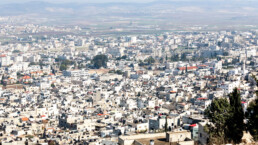
Late Sunday night, Israeli forces — armed with aircrafts and bulldozers — launched a major operation in the area, which is still ongoing at the time of writing. The IDF claimed that it is “striking terrorist infrastructure” in the area, and suggested that the operation may last several days. Eight Palestinians have been announced killed so far, while one Israeli soldier was reportedly lightly wounded in confrontations with Palestinian fighters inside the camp.
Recent Posts
British Support For Israel Is Shattering
Take Action Now There is not a single member of the Foreign and Commonwealth Office who believes that Israel, under any leadership, would allow a…
I’ve Covered Death Row Cases for Nearly a Decade. What Happened to Christa Pike Wasn’t an Anomaly.
Take Action Now Several states have faced questions about the competence of their execution teams as major medical organizations have opposed…
Angie Nixon Says the Fight for Black Voting Power Demands Elected Officials ‘Get Louder’
Take Action Now As Black Floridians confront shrinking representation and political disillusionment, Nixon says the moment demands persistence.By…

Progressives Saw Wins in DNC, But Battle for the Future of the Party Continues
Take Action Now Resolutions calling to abolish ICE and pushing to block arms sales are laying a progressive groundwork for 2028.By Sam Rosenthal,…