
The average US taxpayer sent $58 to fund antiwar diplomacy efforts versus $5,109 for militarism and its support systems.
By Lindsay Koshgarian, TRUTHOUT
Every year at tax time, the National Priorities Project at the Institute for Policy Studies releases a tax receipt to show where your federal income tax dollars go.
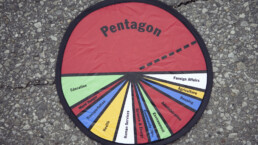
Every year, militarism in all its forms is one of the biggest expenses on the receipt. From war and weapons, to deportations and detentions, to prisons and policing, budgeting choices made in Congress mean that every U.S. taxpayer will contribute to these systems of violence and oppression. By comparison, almost every constructive government program — from public health and environmental protection to education and disaster management — is woefully underfunded.
For 2023, the average taxpayer will have contributed $5,109 to militarism and its support systems, including war and the military, homeland security, federal law enforcement and veterans’ programs. The biggest portion of that tax bill is for the Pentagon itself at $2,974. More than half of that, $1,748, goes to corporate contractors that benefit from U.S. militarism. That’s more than the average monthly rent in the United States.
Recent Posts
Postpone the AI Public Offerings Until Congress Acts
Take Action Now A company should not disclose a risk of catastrophe to humanity and then sell its shares to the public before any public authority…

Congress Has The Power to Fix the Trump-Saudi Nuclear Deal
Take Action Now Congress has at least 9 months and considerable leverage to make things right.By Alan J. Kuperman, Bulletin of the Atomic…

AI Doesn’t Need ‘Superintelligence’ or Evil Intent to Start a Nuclear War
Take Action Now Neither extraordinary machine intelligence nor malicious intent is required for catastrophe to result.By Paul Slovic and Herbert…

30 Months After Uproar Over Jonathan Glazer’s Oscar Speech, What Do His Pro-Israel Denouncers Say Now?
Take Action Now Given all that has happened, I recently contacted some signers of the open letter to ask whether they still fully believe in its…