The March for Our Lives rallies come after mass shootings in Uvalde, Texas and Buffalo, New York
By Lauren Aratani and Edward Helmore, The Guardian
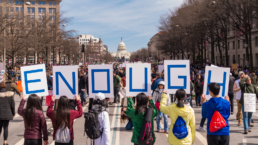
Rallies for gun reform were held in Washington, New York, other US cities and around the world on Saturday, seeking to increase pressure on Congress to act following a spate of mass shootings.
In Washington, the son of an 86-year-old victim in the Buffalo supermarket shooting said: “Enough is enough. We will not go quietly into the night.”
The March for Our Lives rallies came less than a month after 10 people were killed in the racist attack in Buffalo, New York and 19 children and two teachers were killed at an elementary school in Uvalde, Texas.
Other mass shootings, widely defined as shootings in which four people or more excluding the shooter are hurt or killed, have also helped put the issue center-stage.
March for Our Lives was formed in 2018 after a shooting at Marjory Stoneman Douglas high school in Parkland, Florida, in which 14 students and three adults were killed. Organisers estimated a million people, mostly young, joined protests then.
Recent Posts
Take Action October 20 to End the Illegal U.S.-Israeli War on Iran, #PeaceWithIranNOW
Take Action Now The war is not just illegal, but massively unpopular with the U.S. public, and Trump and his Republican enablers may take a deserved…
Chuck Schumer Hasn’t Said a Word About Trump’s Attempt to Deport Ilhan Omar
Take Action Now Ethics lawyers say the raid violated the Hatch Act. Schumer has been silent.By Sharon Zhang , Truthout Days after the Trump…

“Propaganda Show”: IDF Raids Palestinian NGOs in the West Bank Ahead of Israeli Elections
Take Action Now “The raid onto the city center Ramallah is not a lonely activity. It happens every day that they raid different villages,…
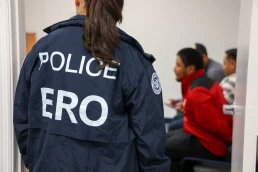
ICE Planning $100 Million ‘Nightmare’ Domestic Spy Program
Take Action Now Under ERO ONE, Immigration and Customs Enforcement plans to hire 142 intelligence contractors with top secret clearances and deploy…