
The double standards, the legacy media pile-on, and why a landslide primary victory tells you everything about who the billionaire class is actually afraid of
By Qasim Rashid, Esq., Let’s Address This
Here’s what happened in Maine.
A first-time Senate candidate ran on an unapologetic platform of universal healthcare, labor rights, Indigenous sovereignty, economic justice, condemnation of genocide in Gaza, condemnation of the illegal war in Iran, and a complete refusal to take a single dollar from AIPAC or corporate PACs.
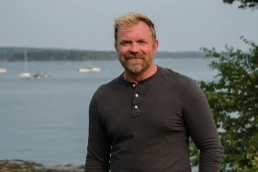
The establishment said he was unelectable. Corporate media said he was irredeemable. Democratic insiders clutched their pearls. Republican Senator Susan Collins expressed the gravest of concerns. David Brooks of the New York Times called him a “degenerate.”
And Graham Platner won the Democratic primary by more than 50 points.
He is already polling nearly 10 points ahead of Susan Collins in the general election.
Turns out progressive, worker-focused policies work. Turns out Mainers—like most Americans—are capable of distinguishing between a candidate who made mistakes, owned them, apologized, and did better, and the sea of politicians who have done far worse and never apologized for anything.
Recent Posts

‘Stop The War on Iran’: Brooklyn Peace Activists Urge Jeffries to Help End Conflict
Take Action Now Democrats have a golden opportunity to capitalize on this issue, win big in November, and take real action on AI data centers to…

A Blue Wave Won’t Wash Away Our Oligarchy Problem
Take Action Now The massive election spending by Elon Musk and other billionaires is a huge problem, even if many of the superwealthy’s favorites…

Democrats Should Get Behind a National AI Data Center Moratorium
Take Action Now Democrats have a golden opportunity to capitalize on this issue, win big in November, and take real action on AI data centers to…

Another Way Out: Public Execution Is an Everyday Reality—Livestreamed or Not
Take Action Now For some, the Trump administration’s plan to livestream an execution was unacceptable because it wouldn’t happen behind closed doors……