
“The global energy crisis has been a giant cash grab for fossil fuel firms,” said one campaigner. “And instead of investing their record profits in clean energy, these companies are doubling down on oil, gas, and shareholder payouts.”
by Julia Conley, Common Dreams
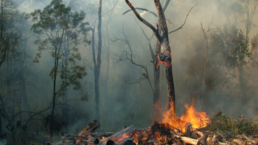
The year 2023 was marked by weather events that made it increasingly clear that the Earth has entered what United Nations Secretary General António Guterres called the “era of global boiling,” with wildfires and prolonged heatwaves impacting millions of people and scientists confirming their suffering was the direct result of fossil fuel extraction and planetary heating.
But for the world’s five largest oil giants, the year marked record profits and the approval of several major new fossil fuel projects, allowing the companies to lavish their shareholders with payouts that are expected to exceed $100 billion—signaling that executives have little anxiety that demand for their products will fall, said one economist.
The companies—BP, Shell, Chevron,ExxonMobil, and TotalEnergies—spent $104 billion on shareholder payouts in 2022, and are expected to reward investors with even more in buybacks and dividends for 2023, The Guardian reported.
Shell announced plans in November to pay investors at least $23 billion—more than six times the amount it planned to spend on renewable energy projects—while BP promised shareholders a 10% raise in dividends and Chevron could exceed the $75 billion stock buyback it announced early last year.
Alice Harrison, a campaigner for Global Witness, noted that fossil fuel shareholders will be enjoying their paydays as households across Europe struggle with fuel poverty and the world faces the rising threat of climate disasters brought on by the industry.
“The global energy crisis has been a giant cash grab for fossil fuel firms,” Harrison told The Guardian. “And instead of investing their record profits in clean energy, these companies are doubling down on oil, gas, and shareholder payouts. Yet again millions of families won’t be able to afford to heat their homes this winter, and countries around the world will continue to suffer the extreme weather events of climate collapse. This is the fossil fuel economy, and it’s rigged in favor of the rich.”
Recent Posts

Wall Street Wants to Change the Rules for Your 401(k). It Could Put Your Retirement at Risk.
Take Action Now Financial firms want a bigger piece of the $10 trillion in America’s 401(k) plans, and the Trump administration is planning a…

‘We Cannot Stand Silent’: Sheinbaum to Seek Criminal Charges Over ICE Detention Deaths
Take Action Now “We cannot turn a blind eye to the Mexicans who have died,” said Mexican President Claudia Sheinbaum.By Jake Johnson, Common…

Israel Is Deliberately Targeting Lebanon’s Journalists
Take Action Now The list of civilians deliberately killed by Israel in Lebanon includes journalists trying to report on the invasion. The Union of…

In a Divided Country, U.S. Residents Agree on One Thing: No Data Centers
Take Action Now Across the country, in cities and rural areas, locals are pushing elected officials to introduce data center regulations and pause…