
Alleged criminal conspiracies, water wars, quake-safe energy and deforestation are among the topics to probe in the coming year.
by Mark Schapiro, Capital & Main
Climate change, of course, can’t be divided into parts. The answers to these questions, however you devise them, may start small and specific and then, like climate change itself, to borrow the title of a popular 2022 film, illustrate how it is “everything everywhere all at once.”
1) In what ways do the fossil fuel companies resemble a criminal conspiracy?
The territory of Puerto Rico is using a novel argument in a recently filed lawsuit alleging that oil and coal, and their paid allies, conspired to mislead the public over the costs and consequences of their greenhouse gas emissions. In the lawsuit, filed in early December, 16 Puerto Rican municipalities charged the companies under the RICO statute normally used to prosecute organized crime. The municipalities allege “decades of deception” by oil and coal companies, their trade associations and a network of funded think tanks to cast doubt on the connections between their greenhouse gas emitting products and the climate change-induced extremes (floods, droughts, hurricanes) that their residents have experienced over the past two decades.
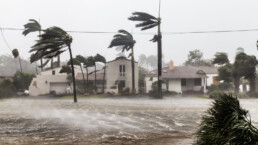
That same constellation of companies and institutions is pretty much omnipresent in neighborhoods across the United States. The groundbreaking group of plaintiffs in Puerto Rico offer some pretty evocative descriptions of fossil fuel industry actions that most likely have occurred in cities and states elsewhere in the country. They cite evidence going back as far as 1989, when defendants ExxonMobil, Shell, BP and Rio Tinto launched a nonprofit corporation, the Global Climate Coalition, “to influence, advertise, and promote the interests of the fossil fuel industry by giving false information to their consumers and the public at large.” They allege that the companies’ aim, acting individually and collectively, is to convince the public that global warming is not occurring, and if it is, that there is no scientific consensus as to why. The damage caused in Puerto Rico by the extreme weather events of the last five years, they claim, can be traced to these efforts, which convinced governing authorities to resist actions that would help reduce greenhouse gas emissions, or properly prepare for their impact.
A similar constellation of companies and institutions have made the same misleading arguments in communities across the United States — starting in Washington, D.C., but also in state capitals across the country — where they have worked to undermine national, state and local responses to climate change. The Puerto Rican case will be watched closely for its use of the criminal, as opposed to civil, statutes, and builds upon a long trail of legal offensives to hold the industry accountable for the immense financial consequences of climate change for the public treasury — a drain on public funds that is being felt in every jurisdiction across the U.S.
Recent Posts
Trump Says He’s Banning CNN, MS NOW, and Politico From the White House
Take Action Now “These outrageous attacks only demonstrate how scared he is of an informed public,” said one press freedom advocate.By Stephen…
Bases Without Names: How Governments Rebrand the U.S. Military Presence
Take Action Now Across Asia, Europe and the Middle East, governments use an expanding vocabulary to describe sites that accommodate U.S. troops,…
Getting Into ‘Good Trouble’ Over Arc de Trump
Take Action Now A retired Army colonel flew in from Hawaii to make sure Trump’s arch doesn’t go up quietlyBy Jonathan Capehart, Substack On the…

AIPAC’s Network Has Already Spent $67.2 Million to Shape the Midterm Elections
Take Action Now The giant influx from American Israel Public Affairs Committee PACs is a case study in money distorting politics.By Derek Seidman,…