
Even though Oregon’s move to treat addiction as a public health issue is a huge step forward, there remains more work to do.
By Kassandra Frederique, Truthout

The evidence is clear: Criminalization worsens public health outcomes. From making the drug supply more dangerous, to deterring people from getting help out of fear and stigma, to denial of economic opportunities and supports for people with drug arrests, the associated consequences have been dire. Besides, sending someone to jail or prison doesn’t keep people from using drugs. In fact, deaths due to drug and alcohol intoxication have increased more than 600 percent in state prisons between 2001 and 2018.
It’s time for a new approach. Oregon has taken the bold step that we should adopt across the U.S.: Decriminalize drug possession and increase access to health services. In the year since the state decriminalized drugs through a ballot initiative (Measure 110), and with only about 10 percent of the allotted funding distributed to 70 community-based organizations so far, Oregon has already been able to provide peer support, harm reduction, evidence-based treatment, housing and job assistance to more than 16,000 people.
Prior to this measure passing, Oregon ranked last in access to treatment and recovery services.
Recent Posts
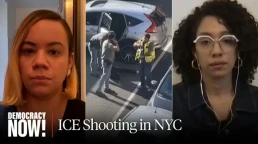
“Abolish ICE”: Protests Erupt in NYC After ICE Agents Shoot Father With 5-Year-Old Son in Car
Take Action Now “Candidates should seek support from the AI industry at their own peril.”By Amy Goodman, Darializa Avila Chevalier, and Carmen De…

Voters in Key States See AI Campaign Cash as More Politically Toxic Than AIPAC: Poll
Take Action Now “Candidates should seek support from the AI industry at their own peril.”By Jake Johnson, Common Dreams Polling data released…

Everything You’ve Been Told About Lethal Injection Is a Lie
Take Action Now Death by drugs is brutal—and designed for political optics. Christa Pike’s failed execution pulled back the curtain.By Arianna…

British Support For Israel Is Shattering
Take Action Now There is not a single member of the Foreign and Commonwealth Office who believes that Israel, under any leadership, would allow a…