
Rich countries are dodging responsibility for adaptation aid, infuriating leaders from vulnerable nations.
by Naveena Sadasivam & Jake Bittle, Grist
The United Nations climate summit in Dubai promises no shortage of drama in its final days — in part because negotiations over whether or not to phase out global fossil fuel use appear to have collapsed. One major goal of this year’s conference, known as COP28, is a “global stocktake” documenting the world’s climate progress and next steps on climate action. But as of Monday, any reference to ending oil and gas use had disappeared from the draft text, leading to widespread anger among climate advocates. Former U.S. Vice President Al Gore declared that the conference was “on the verge of complete failure.”
But the well-publicized debate over fossil fuels threatens to overshadow another major question dogging negotiations as the clock runs out: whether or not world leaders can agree on how to adapt their countries’ infrastructure to withstand global warming. As climate-driven disasters continue to make headlines around the world, the fate of millions in especially vulnerable regions such as Africa and Southeast Asia hinges on this question.
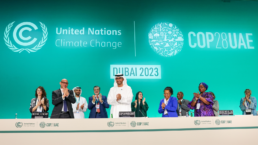
Though hundreds of international negotiators have spent the past fortnight tangling over a convoluted document that outlines how countries will adapt to climate change, they haven’t yet reached consensus on who exactly will pay for the phenomenally expensive undertaking — or even how to define successful climate adaptation in the first place. As the end of the conference approaches, stakeholders who spoke to Grist described the most recent draft text of the so-called global goal on adaptation as “watered-down,” “vague,” and “confusing.”
Recent Posts

Austin Man Shot by ICE Facing Paralysis After Being Refused Medical Care
Take Action Now “This isn’t law enforcement,” said U.S. Senate candidate James Talarico. “It’s lawlessness.”By Julia Conley, Common Dreams…
Oregon Data Centers by the Numbers: 111 Facilities Consume Nearly One-Quarter of State’s Power, According to New Report
Take Action Now A first-of-its-kind report details the footprint of the controversial facilities.By Kyra Buckley, Oregon Public Broadcasting For…
Trump Says He Is in ‘Deciding Mode’ on Destroying Iran
Take Action Now The Pentagon’s own death count is undercounting US troops killed in the seven-month war, the Washington Post has reported.By…

In the Age of AI, Nuclear Weapons Abolition Is a Renewed Imperative
Take Action Now As long as we have nuclear weapons, the job of ending humanity will continue to be as easy as the push of a button—or an AI agent…