World leaders have two weeks to decide the fate of the planet. How hard could it be?
by Grist staff
Every year, world leaders gather under the auspices of the United Nations Framework Convention on Climate Change to assess countries’ progress toward reducing carbon emissions and limiting global temperature rise. The most famous of these so-called Conferences of Parties, or COPs, resulted in the landmark 2015 Paris Agreement, which marked the first time the world’s countries united behind a goal to limit global temperature increase. That treaty consists of 29 articles with numerous targets, including reducing greenhouse gas emissions, increasing financial flows to the most climate-vulnerable countries, and establishing a carbon market.
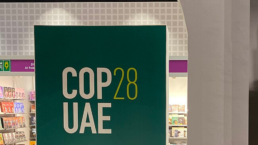
This year’s COP, which commences in Dubai on Thursday, is all about determining whether that agreement succeeds or fails. For the first time since the Paris accords, the negotiators assembled at COP28 over the next two weeks will conduct a “global stocktake” to measure how much progress they’ve made toward those goals.
While activists up the ante with disruptive protests and industry leaders hash out deals on the sidelines, the most consequential outcomes of the conference will largely be negotiated behind closed doors. In the coming weeks, delegates will pore over language describing countries’ commitments to reduce carbon emissions, jostling over the precise wording that all 194 countries can agree to. (In past years, negotiations have been saved by shifting a single comma.)
With more than 70,000 participants expected — not just national negotiators but also academics, activists, and civil society representatives — this year’s meeting promises to be particularly contentious. The conference is being hosted by the United Arab Emirates, the world’s fifth-largest oil producer, and is being presided over by the CEO of the country’s oil company, Sultan al-Jaber. Recent media reports suggesting that he has been using the COP28 presidency to push oil and gas deals have further stoked fears that he may not be a neutral arbiter to oversee the proceedings. Against that backdrop, countries will be negotiating the precise language that signals the world’s transition away from fossil fuels.
Recent Posts
Trump Says He’s Banning CNN, MS NOW, and Politico From the White House
Take Action Now “These outrageous attacks only demonstrate how scared he is of an informed public,” said one press freedom advocate.By Stephen…
Bases Without Names: How Governments Rebrand the U.S. Military Presence
Take Action Now Across Asia, Europe and the Middle East, governments use an expanding vocabulary to describe sites that accommodate U.S. troops,…
Getting Into ‘Good Trouble’ Over Arc de Trump
Take Action Now A retired Army colonel flew in from Hawaii to make sure Trump’s arch doesn’t go up quietlyBy Jonathan Capehart, Substack On the…
AIPAC’s Network Has Already Spent $67.2 Million to Shape the Midterm Elections
Take Action Now The giant influx from American Israel Public Affairs Committee PACs is a case study in money distorting politics.By Derek Seidman,…