
If you live in America, it’s a coin toss.
By Lyric Aquino, Grist
Nearly half of the United States’ water supply is contaminated with “forever chemicals” — per- and polyfluoroalkyl substances also known as PFAS. That’s according to a new study from the U.S. Geological Survey.
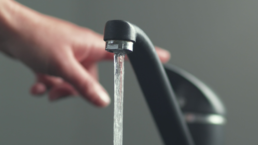
Between 2016 and 2021, federal scientists tested tap water from public supply sites and private wells across the U.S., and in territories including Puerto Rico and the U.S. Virgin Islands. Those tests revealed PFAS contamination in almost 45 percent of the faucets tested.
PFAS cause a wide variety of health impacts, such as developmental delays in children, bone irregularities, behavioral changes, and interference with the body’s ability to produce hormones. They can also cause an increased risk of cancers. Research has shown that certain PFAS have been found in the blood streams of humans and animals and can remain in the body for years.
A synthetic chemical used to resist grease, oil, water, and heat, PFAS were first introduced in the 1940s and are used in a wide range of products including clothing items, carpeting, cleaning products, paints, fire-fighting foams, cookware, and food packaging and processing equipment. Their widespread use has caused a lasting presence in air, water and soil, and because PFAS take over 1,000 years to degrade, they have earned the nickname “forever chemicals.”
The federal study found that urban areas are more at risk than rural areas for PFAS contamination, finding the substances in about 70 percent of urban areas compared to 8 percent of rural areas. It also found that PFAS may be more common in the Great Plains, Great Lakes, Eastern Seaboard, and Central and Southern California regions.
Last month, chemical and manufacturing company 3M and a large coalition of U.S. cities and towns reached a $10.3 billion settlement over the company’s use of PFAS. The settlement occurred after thousands of plaintiffs sued 3M for allegedly contaminating municipal drinking water supplies with PFAS for decades, despite knowing as early as the 1970s that the chemicals were harmful to human and environmental health.
Federal regulators have proposed that companies report to consumers whether their products contain PFAS. The U.S. Environmental Protection Agency, or EPA, estimates that compliance would cost the chemical and semiconductor industries about $1 billion annually, though the sectors generate about $500 billion per year.
The EPA in March proposed the first federal drinking water limits on six forms of PFAS, but a final decision is not expected until later this year.
Recent Posts

The Courage to Keep the Oath
Take Action Now Why We Must Stand with Major Jason WatsonBy Jeffrey Sterling For almost two months, an Air Force officer has been sitting alone in…

‘Act of Collective Punishment’: Netanyahu Condemned Over ‘Full Lockdown’ of Occupied West Bank
Take Action Now The reaction to a shooting incident in Hebron, said one Palestinian critic, “represents an alarming escalation in Israel’s policies…

‘Stop The War on Iran’: Brooklyn Peace Activists Urge Jeffries to Help End Conflict
Take Action Now Democrats have a golden opportunity to capitalize on this issue, win big in November, and take real action on AI data centers to…

A Blue Wave Won’t Wash Away Our Oligarchy Problem
Take Action Now The massive election spending by Elon Musk and other billionaires is a huge problem, even if many of the superwealthy’s favorites…