In the midterms, ballot initiatives cut through partisan polarization to reveal majorities for higher wages, expanded health care access, and abortion rights. That’s why many state-level Republicans are attempting to undermine the ballot initiative process.
by Benjamin S. Case and Michael McQuarrie, Jacobin
This election cycle, voters in California, Michigan, and Vermont enshrined the right to abortion in their state constitutions, while voters in Kentucky and Montana rejected attempts to make abortion illegal. Nebraska and Washington, DC, voters raised minimum wages. Arizona voters limited medical debt interest rates. South Dakotans expanded access to Medicaid. Voters in Alabama, Tennessee, Oregon, and Vermont abolished slavery in prisons. And they did it all by ballot initiative, continuing the trend of voters using citizen initiatives to pass majoritarian policies that elected representatives won’t.
Citizen initiatives allow voters to gather petition signatures to put a policy question on the ballot. Half the states and many municipalities have them, but for a century the Left has largely neglected them. In the past decade that’s begun to change, as labor unions and advocacy groups began using citizen initiatives to directly pass policies that benefit working-class communities — policies that are supported by the majority but that legislators won’t advance, as elected leaders in both parties consistently prove faithful to elite interests.
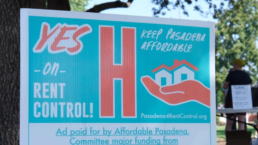
We recently published a report showing just how effective citizen initiatives have been in winning policies that would be impossible to win through the legislative process. In the past decade, initiatives that return wealth, rights, and decision-making power to working communities and vulnerable populations pass most of the time in red, blue, and purple states alike. Initiatives that redistribute wealth and resources to working-class people have a 75 percent success rate. The focus on polarizing Democrat-vs-Republican fights dominates political commentary, but citizen initiative results reveal that there is widespread support for a policy agenda that is considerably left of both parties.
Recent Posts

The Pentagon Asked OpenAI for Artificial Intelligence Designed to Rarely Say No
Take Action Now The U.S. military’s desire for an AI tool with “minimal refusal rates” was revealed through a FOIA lawsuit filed by The Intercept.…

Real History: After 9/11, the ‘War on Terror’ Was a War of Terror
Take Action Now Through it all, the ongoing war effort that began in autumn 2001 had an implicit throughline in dominant media and politics: while…

Abolish the Board of Peace. Try the Table of Peace.
Take Action Now I asked people to pretend to be the United States Congress for 10 seconds. (Many of them were disgusted at the thought but I assured…

Black Power, White Heat, and the Work of Solidarity
Take Action Now What a history of the 1960s can teach us about organizing in an authoritarian ageBy Alexandria Shaner, Z Network There is a…