Federal protections of abortion rights have always been limited, but community care and support are the future of reproductive freedom.
By Steph Black, The Progressive Magazine
The 1973 Roe v. Wade decision was a bare-minimum protection of abortion rights. The case argued that the choice to terminate a pregnancy was a matter of privacy, a decision between a pregnant person and their doctor. While the decision made it impossible for the government to directly interfere with the procedure itself, Roe and the 1993 Casey v. Planned Parenthood left room for states to legislate abortion away by creating arbitrary barriers.
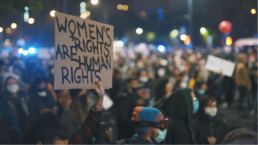
This means that gestational limits on abortion, mandatory waiting periods, medically inaccurate “counseling,” and a prohibition on using federal dollars to fund abortion have created a reality for many that makes abortion impossible to access.
In fact, many people have been living in a post-Roe reality for a long time.
“Roe is the floor and not the ceiling” is a common rallying cry around efforts to pass the Women’s Health Protection Act, which would codify Roe in federal law. But even as a floor, it’s a poor one at best. The very act of putting a boundary on abortion opened the door for that right to be chipped away, piece by piece, even if there wasn’t much there to begin with.
Recent Posts

The Dark Money Machine Shaping Democrats’ Mandate
Take Action Now Banks, cryptocurrency firms, and the Israel lobby poured millions into super PACs tied to Democratic caucuses. Now those groups are…
Can Progressives Push Hakeem Jeffries to the left?
Take Action Now The likely next House speaker has a record of defending corporate interests. His fellow Democrats must fight for Medicare for All and…
Trump Says Nationwide Outages Are “Fine” as More Systems Go Down
Take Action Now Two additional outages occurred after Trump’s comments, affecting the NSA and Apple products.By Chris Walker, Truthout President…
Say No to U.S.-Israel Military Integration
Take Action Now We should be ending U.S. complicity in what the U.N. Commission of Inquiry, human rights organizations, genocide scholars and many…