
After battling for a fair contract, USPS workers face the threat of privatization, which they warn will harm all Americans.
By Mel Buer, In These Times
This week, we’re taking a more national focus, and checking in with the National Association of Letter Carriers, who have been embroiled in a years-long contract negotiation with the U.S. Postal Service.
In our episode today, I’m sitting down with Melissa Rakestraw, member of the National Association of Letter Carriers, Branch 825 in Chicago, IL, to discuss the state of negotiations with our nation’s letter carriers, the unprecedented rejection of the recent tentative agreement and what happens next, and what would happen if the U.S. Postal Service was privatized.
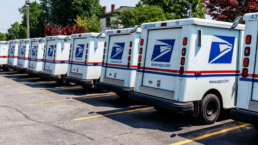
As a short editorial note before we begin, the interest arbitration process between USPS and the Letter Carriers began on March 17th, with Dennis R. Nolan set as the neutral arbitrator. This episode was recorded at the end of February, before those dates had been set.
Mel Buer: I’d like to kick off this conversation first by giving our listeners a chance to get to know a bit more about you, your work, your organizing, and your union.
Melissa Rakestraw: The NALC is a National Association of Letter Carriers. We didn’t have collective bargaining rights with the Post Office until after the Great Postal Strike of 1970, the largest wildcat strike in U.S. history. We represent all letter carriers throughout the state of Illinois in our region within the NALC, there’s 15 regions.
Mel Buer: And these are the folks who are outside of the mail handling post office who are delivering your mail, on route to your house every day.
Melissa Rakestraw: We’re coming to your doorstep hopefully every day to deliver your mail Monday through Saturday, and we are one of the most beloved groups of workers out there. Most people love their mailman.
Letter carriers are out there every day watching kids grow up, checking on elderly residents who greet them at their mailbox every day. I’ve worked with people who have saved people from burning homes, who have donated kidneys to their customers on their route. We are embedded in our communities. We aren’t just out there to do a job. We are out there to look out for the people who live on our routes.
Recent Posts
“Abolish ICE”: Protests Erupt in NYC After ICE Agents Shoot Father With 5-Year-Old Son in Car
Take Action Now “Candidates should seek support from the AI industry at their own peril.”By Amy Goodman, Darializa Avila Chevalier, and Carmen De…

Voters in Key States See AI Campaign Cash as More Politically Toxic Than AIPAC: Poll
Take Action Now “Candidates should seek support from the AI industry at their own peril.”By Jake Johnson, Common Dreams Polling data released…
Everything You’ve Been Told About Lethal Injection Is a Lie
Take Action Now Death by drugs is brutal—and designed for political optics. Christa Pike’s failed execution pulled back the curtain.By Arianna…

British Support For Israel Is Shattering
Take Action Now There is not a single member of the Foreign and Commonwealth Office who believes that Israel, under any leadership, would allow a…