The urban heat island sits in a rural heat ocean.
By Umair Irfan, Vox
Summer has officially begun with a blast of scorching temperatures across much of the United States. The National Weather Service is warning of “extremely dangerous heat” baking 160 million people under a heat dome stretching from the Midwest to the East Coast the rest of this week. It’s already proven fatal.
But while this is the first real taste of extreme heat for Northeastern cities, parts of the country like Texas have been cooking since May. Alaska this month issued its first-ever heat advisory. Forecasters expect more above-average temperatures through the summer.
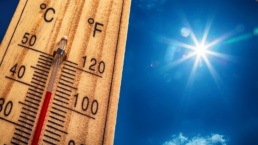
Summers are indeed getting hotter, a consequence of the warming planet. As the climate heats up, the frequency and intensity of heat waves is increasing and their timing is changing, arriving earlier in the season.
But the damage from extreme heat isn’t spread out evenly, and the more dangerous effects to people are not necessarily found in the hottest places. High temperatures often lead to more emergencies and hospital visits when they represent a big jump from a place’s average, which means ordinarily cooler regions tend to suffer the worst harm from heat. That includes places like Alaska and the Pacific Northwest, where temperatures rarely climb higher than 80 degrees Fahrenheit and most homes don’t have air conditioning.
Now researchers have found that rural areas may suffer more under extreme heat than previously thought. A report from Headwaters Economics and the Federation of American Scientists found that more than half of rural zip codes in the United States, which includes some 11.5 million Americans, have “high” heat vulnerability, a consequence not just of temperatures but unique risk factors that occur far outside of major cities.
The thermometers thus do not tell the whole story about who is likely to suffer from extreme heat — nor do the images, which tend to come from sweltering cities. But understanding the factors that worsen the harm of rising temperatures could help save lives.
Recent Posts
AI Doesn’t Need ‘Superintelligence’ or Evil Intent to Start a Nuclear War
Take Action Now Neither extraordinary machine intelligence nor malicious intent is required for catastrophe to result.By Paul Slovic and Herbert…

30 Months After Uproar Over Jonathan Glazer’s Oscar Speech, What Do His Pro-Israel Denouncers Say Now?
Take Action Now Given all that has happened, I recently contacted some signers of the open letter to ask whether they still fully believe in its…

Midterms Have Revived Universal Healthcare Debate. These States Are Ahead of Everyone.
Take Action Now States have often served as laboratories to test health policies later implemented nationally.By Markian Hawryluk, KFF Health……
Nobel Peace Prize Turns Toward Peace in 2026
Take Action Now To have finally acknowledged someone whose work in any way addressed the horrors of Zionism is an encouraging sign from the Nobel…